

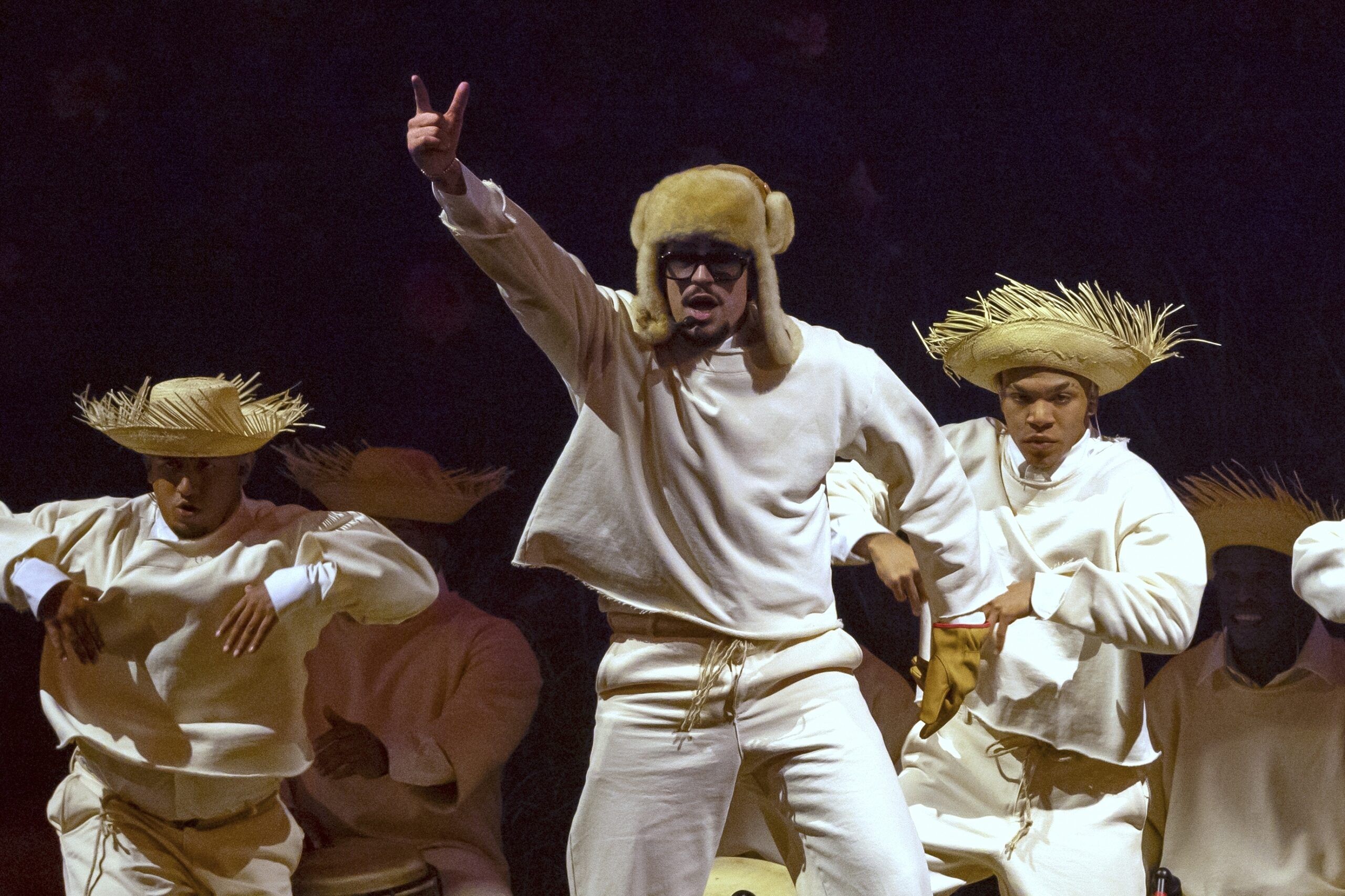
On Sunday, Feb. 8, the multi-Grammy Award-winning Puerto Rican rapper, vocalist, and producer Bad Bunny (Benito Antonio Martinez Ocasio) will headline The Super Bowl LX halftime show at Levi’s Stadium in Santa Clara, California. Jay-Z, whose entertainment company, ROC Nation, is producing the program, selected Bunny as the featured performer because of his massive appeal as the leading reggaeton/Latin trap artist on the globe, as evidenced by his eight albums, several hits singles including “Alambre Púa,” “Soy Peor” and “El Clúb,” and his exciting collaborations with some of the brightest Latin stars, including Rosalia, Tony Dize, and The Marias.
While many praised the selection of Bad Bunny as the halftime headliner, some criticized the pick because of Bunny’s Spanish-language lyrics and his perceived status as a foreigner, even though Bunny — and all people from the U.S. territory of Puerto Rico — have been classified as American citizens since 1917. What Bunny’s Super Bowl performance will showcase on a global scale is the dancing and diverse legacy of Puerto Rico’s Afro-derived musical heritage.
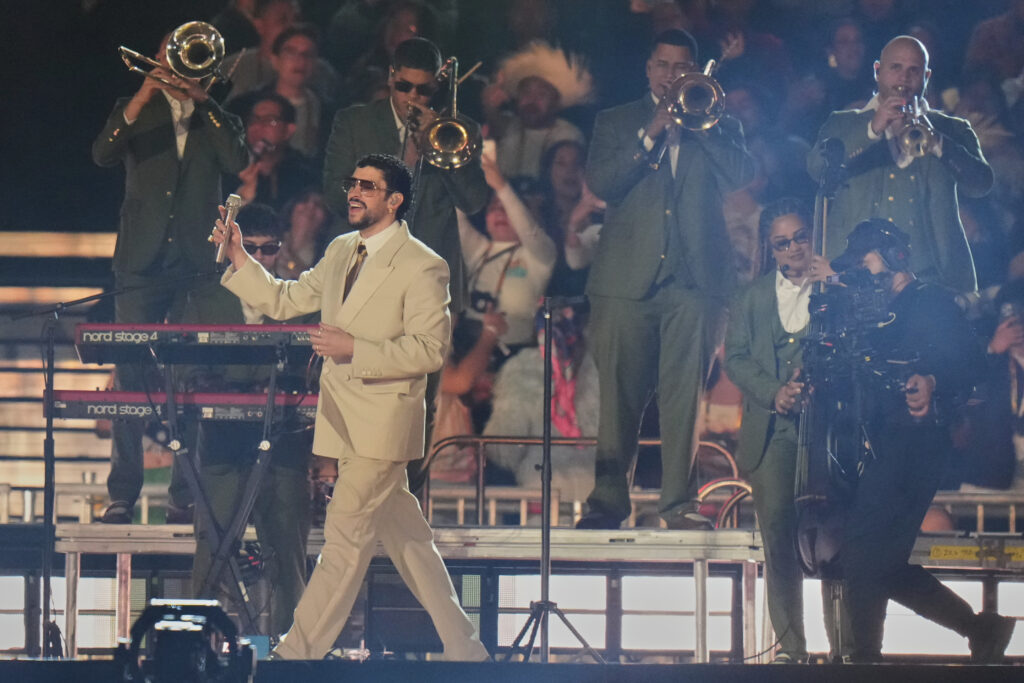
Bomba y Plena, two distinct Afro-Puerto-Rican musical forms
The enslaved Africans who arrived in the New World starting in the 1500s brought their music with them. In Brazil, motherland drumbeats became the samba. Yoruba rhythms were translated into rumba, mambo, cha cha cha, and many other musical genres of Cuba. In the United States, the banning of West African hand drums by slavemasters gave birth to the blues, jazz, R&B, and hip-hop.
The Africans who landed in Puerto Rico as far back as the 16th century, when the island was a Spanish colony, also developed their own native back beats from the Motherland, pounding out rhythms on hand drums and tambourine-like panderetas.
Black people produced anthemic, driving rhythms perfect for dancing, and subversively, were able to send messages that could be heard for miles on Puerto Rico. Those beats, which are subdivided into at least 16 distinct styles, came to be known as bomba rhythms: the present day heartbeat of the islan.
Developed in the early 20th century in Puerto Rico’s southern region, the festive singing style known as plena is heard with, and is linked to bomba. Long before the Internet and cable news, plena was the island’s aural newspaper replete with satirical commentary, political views, gossip, folklore, and rap. The group Los Pleneros de la 21 is the premiere ensemble of this festive art form, and you can hear their influence on this selection: “Cafe con Ron,” featuring Bunny and Los Pleneros de la Cresta.
Reggaeton
In the 1990s, the Pan-Caribbean musical genre known as reggaeton would become the dominant popular music of the island. Though the art form — a heady mix of Jamaican dancehall grooves, Nuyorican salsa, hip-hop, and Trinidadian soca — along with some zesty Afro-Caribbean “toasting” lyrics, was actually created in the Central American country of Panama by the descendants of West Indians brought there to build the country’s world-famous canal, the art form took hold in Puerto Rico, the source of many of the genre’s pioneers, including Daddy Yankee, DJ Negro, Tego Calderon, and, of course, Bunny. The genre’s groove is characterized by an insurgent, Jamaican dembow rhythm produced by hip-hop-style DJ mixing boards rather than folkloric hand drums.
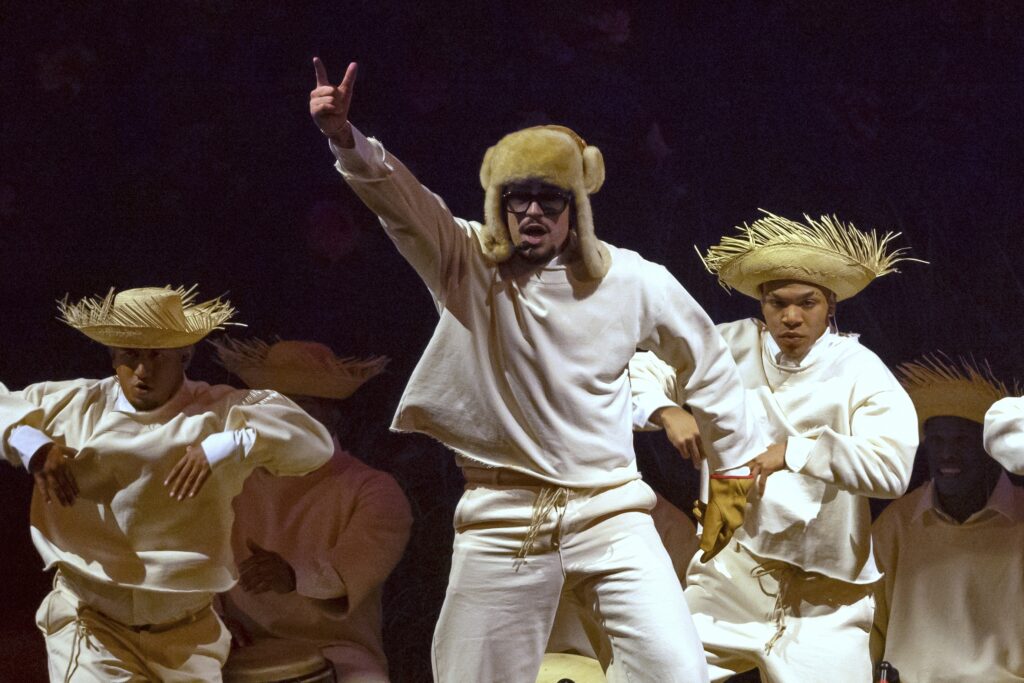
Latin trap
Though influenced by hip-hop from the American South, Latin trap is all Puerto Rican. Sprung from the island in the early 21st century, the genre takes its name from word “trap,” slang for a home where drugs are sold and created. As one would expect, the subject matter for this music is largely based the lifestyle associated with that environment. The duo of Arcangel & De la Ghetto, and Alvaro Diaz were some of the genre’s hitmakers. In 2018, Bunny, along with Casper Mágico, Nio Garcia, Ozuna, and Nicky Jam, collaborated on the Latin trap classic, “Te Bote.”
Salsa
Created in New York City in the early sixties, mostly from Puerto Rican musicians building from Afro-Cuban mambo, descarga, and rumba song forms, Puerto Ricans from the island would contribute their island version to the mainland mix. Even though Bunny, at the age of 31, is an artist of his time, one of his most enduring influences is that of the terrific and tragic salsa singer Hector Lavoe, one the foundational artists who built the legendary Fania Records label: the Motown of the salsa sound. You can hear Bunny give props to his island ancestors on “Baile Inolvidable.”
Contrary to what some misinformed critics may think, whether he sings or speaks in Spanish, everything Bad Bunny will perform at the Super Bowl will indeed be American music, albeit sonically seasoned by Puerto Rico, our commonwealth nation-in-a-nation in the Caribbean.